

Faith-Based Counseling at Your Path
Updated: Mar 14
Faith-based mental health counseling integrates traditional counseling approaches such as cognitive-behavioral therapy, mindfulness, and trauma-informed care with the values, traditions, and spiritual frameworks that matter most to the client. During therapy sessions, the therapist helps you to explore your values, spiritual beliefs, cultural history, supports/community, and how they influence your mental health.

Therapists who integrate spirituality as a primary modality believe that spiritual health impacts daily functioning as much as mental and physical health. Individual counseling is an individualized approach to meeting therapeutic goals. Similarly, faith-based mental health counseling explores your unique experience with your faith. It is up to you how much spiritual integration you want incorporated into your treatment.
What faith-based counseling sessions can look like:
As a therapist whose graduate program incorporated theology and psychology, I leverage my knowledge of biblical concepts, principles, and spiritual practices to influence how I treat mental health challenges.
Exploring scripture
Christian Faith-based mental health counseling incorporates scripture as a basis of Biblical Truth. An exploration of Biblical Truths is an exploration of what God says about you and wants for you.
The Bible states you are worthy and loved through scriptures like John 3:16, “For God so loved the world, that he gave his only Son, that whoever believes in him should not perish but have eternal life.” and Romans 5:8, “but God shows his love for us in that while we were still sinners, Christ died for us.” (Bible gateway, ESV, 2026). How does this align with your existing core belief about yourself or the world around you?
Art & Music
Exploring existing Psalms, Poetry, Hymns, Imagery, and Worship music. The Bible and Christian culture are filled with imagery and music that can serve as a resource for exploring your strengths, challenges, emotions, and your personal relationship with God.
For example, what would your psalm include: what gives you hope, what do you know about God to be true, what can you praise/lament about? If you were to write the next hit song for a Christian radio station, what scripture would you base it on?
Thanksgiving
Exploring the connections between what God says about gratitude and its connections with mental health. Practicing thanksgiving is both a spiritual practice and a mental health skill. Philippians 4:6 "Do not be anxious about anything, but in every situation, by prayer and petition, with thanksgiving, present your requests to God" (Bible Gateway, ESV, 2026).
Have you ever felt that some scriptures are challenging to apply in everyday life, or that it's easier to tell a friend than to apply them yourself? One possible reason is because gratitude is a skill that can be learned and developed over time.
Working with a mental health therapist can help you explore core-beliefs or unhelpful thinking styles that may be impacting your ability to implement this skill. In addition, a mental health therapist can share with you the physiological and psychological benefits to expressing gratitude through Psychoeducation.
Lamenting
Lamenting is the practice of expressing emotions such as deep sorrow, grief, and disappointment through prayer to God. Sometimes grief, disappointment, and deep sorrow can result in feelings of guilt, possibly lead to isolation, or feeling conflicted about how to express "negative"/uncomfortable emotions and our faith.
Integrating mental health interventions (i.e., values exploration, trauma-informed interventions, supportive counseling, exploring unhelpful thinking styles and maladaptive coping, etc.) with the spiritual practice of lamenting can help you navigate complex emotions in therapy.
If you are curious about the connection between your faith and mental health, faith-based mental health counseling is a good fit for you.
Citations
Bible Gateway passage: Romans 5:8 - English Standard Version. Bible Gateway. (2026). https://www.biblegateway.com/passage/?search=Romans+5%3A8&version=ESV
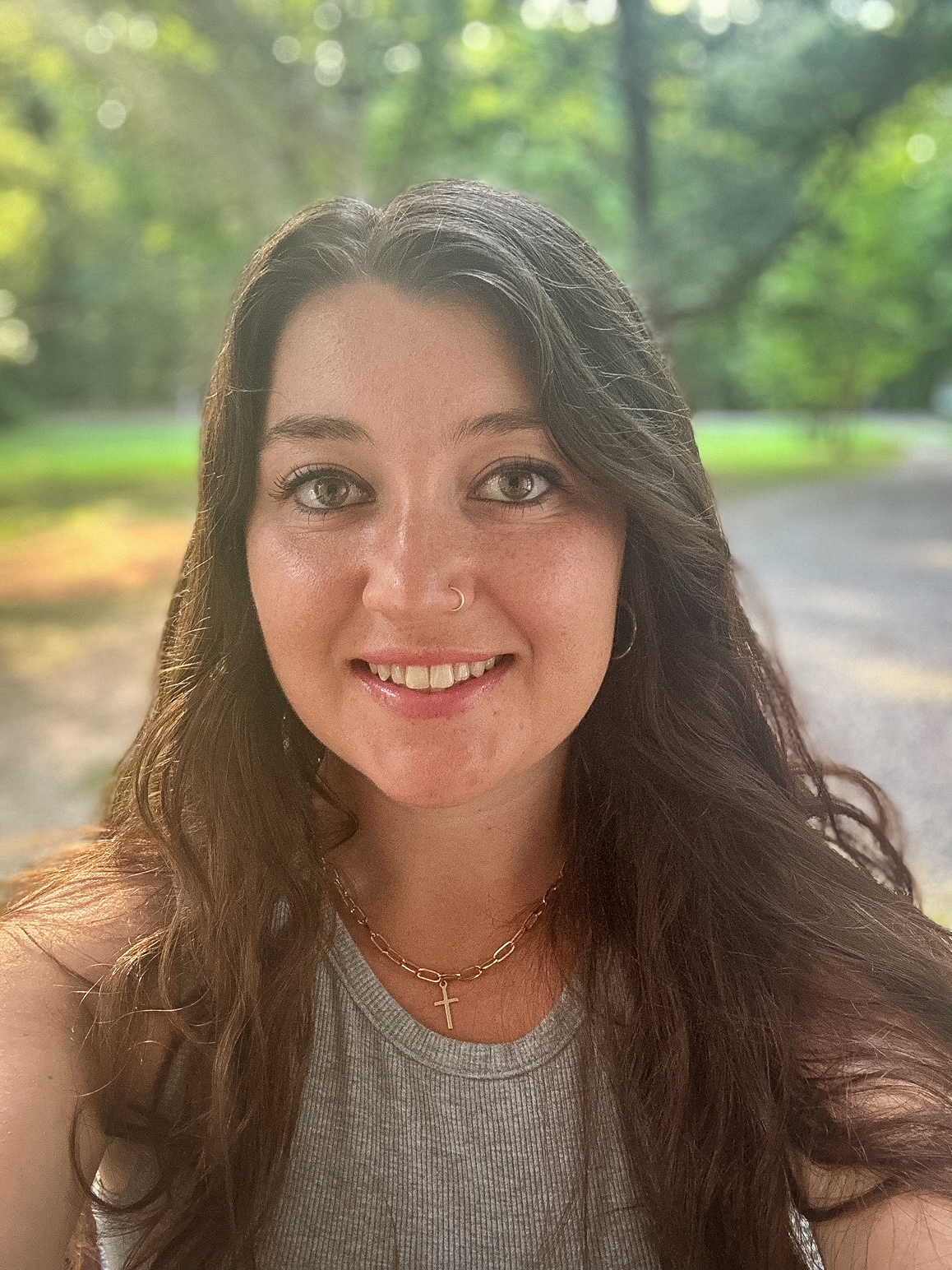
Allison Bunn is a Resident in Counseling with Your Path Counseling Center. She received her Master's in Clinical Mental Health Counseling from Liberty University. If you are interested in working with Allison, follow this link. .
Disclaimer: The information provided on this blog is for educational and informational purposes only and is not intended as medical or mental health advice. Accessing this content does not establish a therapist-patient relationship with Your Path Counseling Center.
© 2026 Your Path Counseling Center. All Rights Reserved.
Learn more about our services
Counseling: Adults, Children & Teens, Couples, and Families.
Specialized Care: Medication Management, Career Counseling, and Executive Coaching.
Professional Services: Clinical Supervision and Training for helping professionals.


Comments